November 6, 2026
Maintaining a comfortable home requires more than simply adjusting the thermostat when indoor temperatures become uncomfortable. Homeowners often encounter conflicting advice about heating and cooling equipment, making it difficult to distinguish helpful recommendations from common misconceptions. Unfortunately, believing the wrong information can contribute to unnecessary expenses, reduced system efficiency, and preventable equipment problems.
Understanding how your HVAC equipment actually works can help you make better decisions about household comfort. An experienced HVAC company can also provide professional guidance to help homeowners separate fact from fiction. Here are three common heating and cooling myths worth debunking.
Myth 1: Keeping Your Thermostat at a Consistent Temperature Saves Energy
Why Constant Thermostat Settings Are Not Always More Efficient
One common misconception is that maintaining the same thermostat setting throughout the day is the best way to minimize energy consumption. Some homeowners believe their heating or cooling equipment must work harder to reach a comfortable temperature after being turned down or off. However, this assumption overlooks how heating and cooling systems operate. When indoor temperatures move closer to outdoor temperatures, the difference between them becomes smaller, reducing the amount of heat transferred through the home's walls, windows, and roof. Consequently, allowing indoor temperatures to fluctuate when the home is unoccupied can help reduce unnecessary energy consumption.
For example, homeowners can lower their thermostat settings during colder months when everyone is away at work or school. During warmer weather, raising the cooling point while the household is empty can provide similar benefits. These adjustments reduce the demand placed on heating and cooling equipment when nobody is home to enjoy the conditioned air. An experienced HVAC company can help homeowners determine appropriate temperature settings based on their equipment, household routines, and comfort preferences.
Finding a Balance Between Comfort and Energy Consumption
Although adjusting thermostat settings can help conserve energy, extreme temperature changes are not always necessary or beneficial. Setting the thermostat excessively low during summer or unusually high during winter does not make equipment cool or heat a home faster. Instead, these settings may cause the system to operate longer than necessary while creating uncomfortable indoor conditions. Gradual adjustments are generally a more practical approach to managing household temperatures.
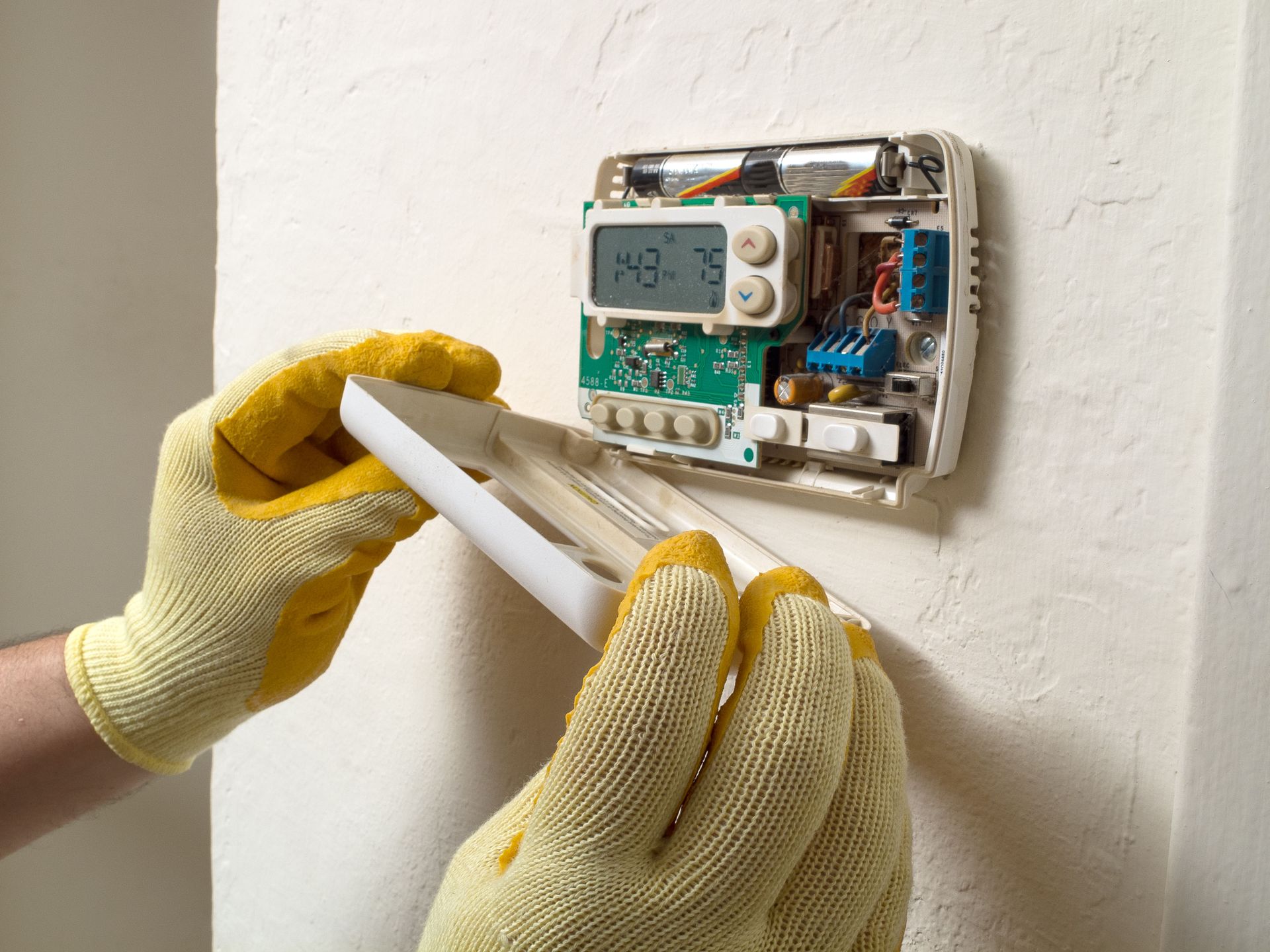
Homeowners should also consider the needs of children, older adults, pets, and anyone who may be sensitive to temperature fluctuations. Maintaining reasonable indoor conditions is important for household safety and comfort. Rather than following a universal temperature recommendation, consider your family's needs and how your equipment responds to different settings. Professional thermostat services can also help address calibration problems that may cause inaccurate temperature readings or inconsistent system operation.
Myth 2: HVAC Systems Don't Need Maintenance Unless Something Breaks
The Importance of Preventative HVAC Maintenance
Another widespread misconception is that heating and cooling equipment only requires professional attention when something stops working. In reality, waiting for a noticeable problem can allow minor maintenance concerns to develop into more expensive repairs. Heating and cooling systems contain numerous components that experience regular wear during operation. Dirty coils, clogged filters, loose electrical connections, and restricted airflow can all interfere with equipment performance. Routine inspections help identify these concerns before they contribute to unexpected breakdowns.
According to the Department of Energy, heating accounts for nearly 30% of household utility expenses, making efficient equipment operation an important consideration for homeowners. Regular maintenance can help reduce unnecessary energy consumption by keeping heating components clean, properly adjusted, and operating as intended. An HVAC company can inspect critical components, evaluate system performance, and recommend repairs when necessary. These services can also help homeowners avoid preventable disruptions during periods of particularly cold or hot weather.
Seasonal Inspections Help Prevent Unexpected Problems
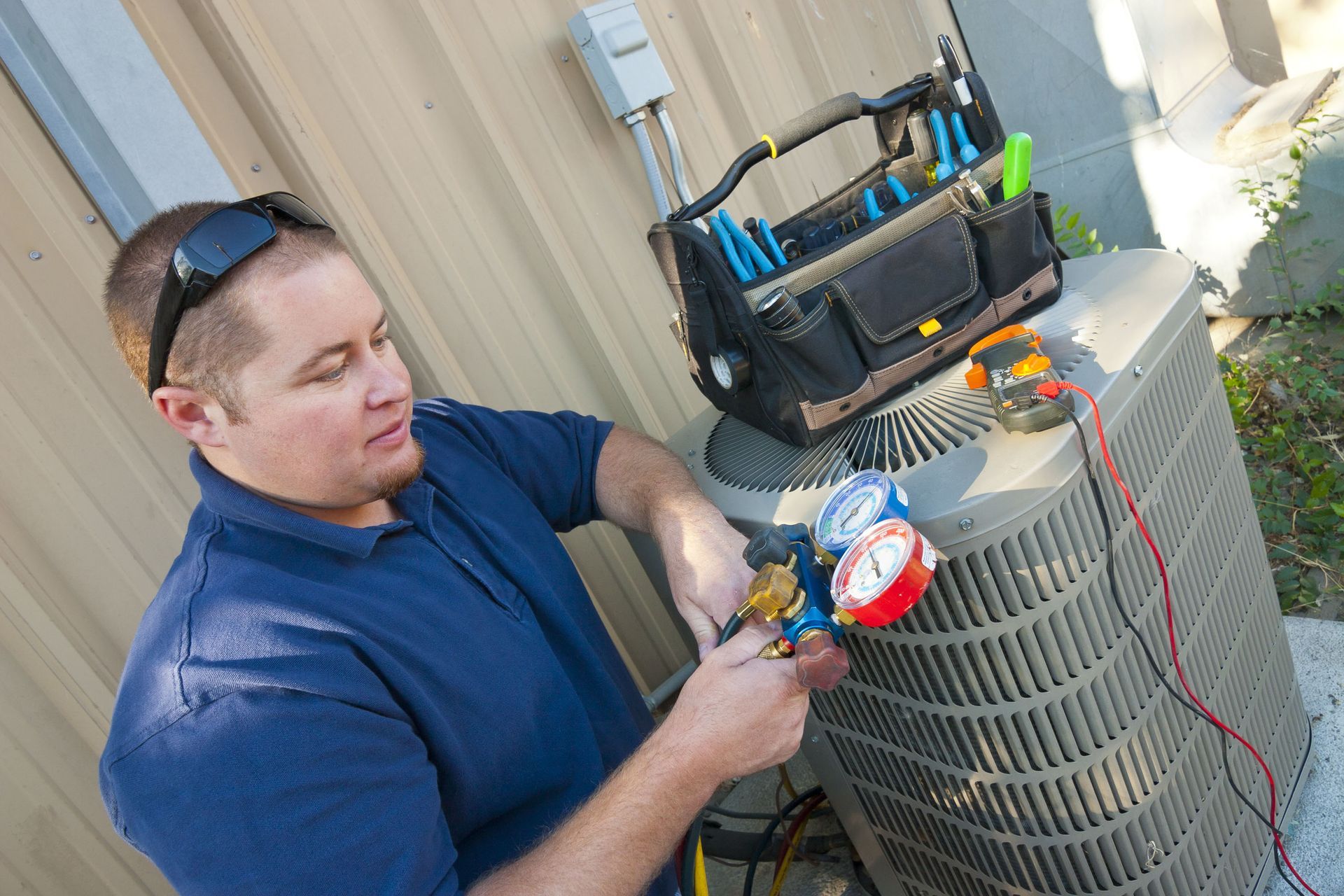
Scheduling maintenance before the beginning of each major heating and cooling season allows technicians to prepare equipment for changing outdoor temperatures. During a heating inspection, professionals may examine burners, heat exchangers, electrical connections, and other essential components. Air conditioning maintenance may involve cleaning coils, checking refrigerant levels, inspecting condensate drainage, and testing system operation. These procedures help identify developing issues that homeowners might not recognize during everyday use.
Homeowners also have an important role in maintaining their equipment between professional appointments. Replacing or cleaning air filters according to manufacturer recommendations helps maintain proper airflow and prevent unnecessary strain on the system. Keeping outdoor equipment clear of leaves, grass, and other debris can also support effective operation. A professional HVAC company can explain which maintenance tasks homeowners can safely perform themselves and which require specialized tools or technical knowledge. Combining these simple habits with seasonal inspections can support more consistent performance and help extend equipment service life.
Myth 3: All Heating and Cooling Systems Work the Same Way
Understanding Different Types of HVAC Equipment
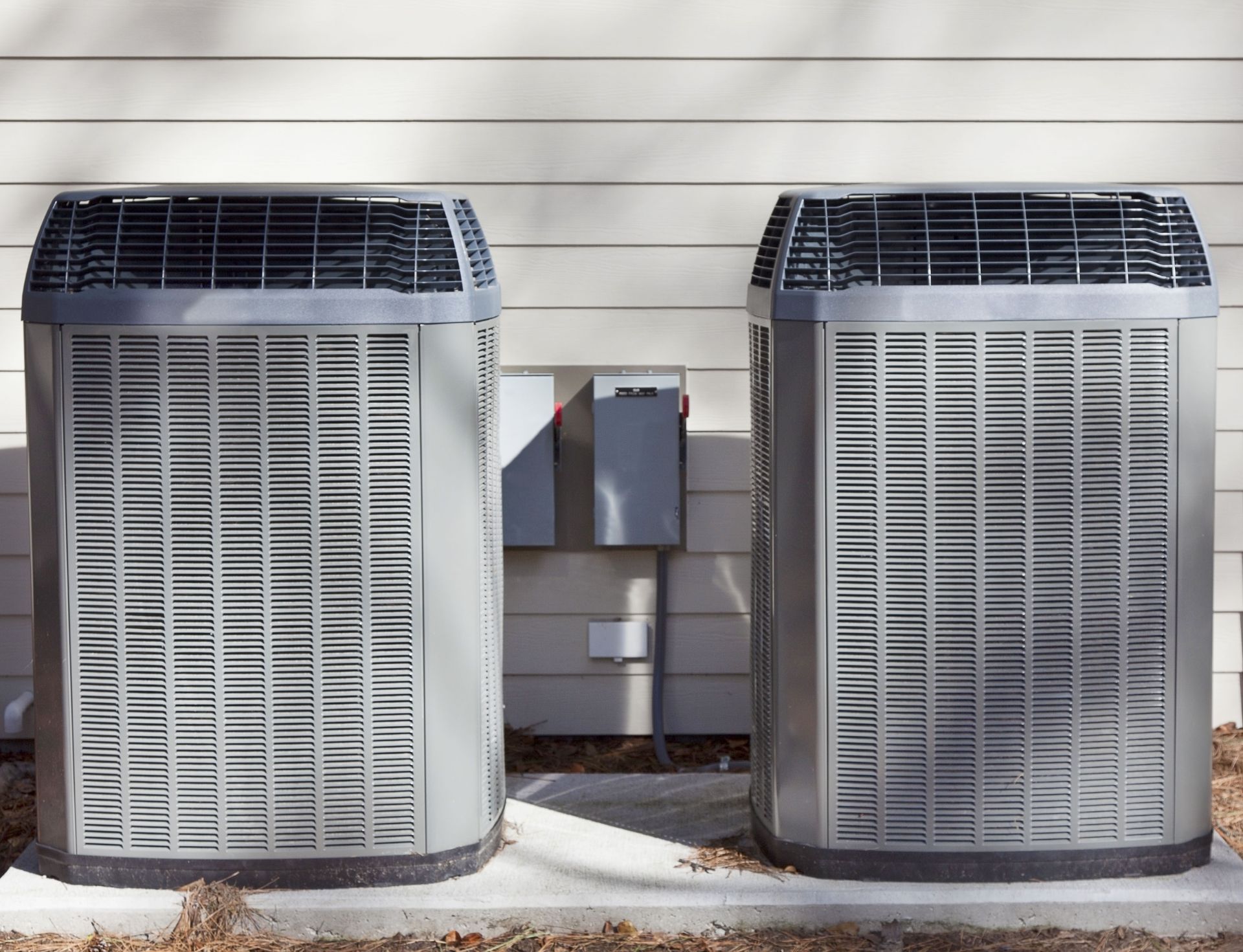
Many homeowners assume that all heating and cooling systems operate similarly, meaning one type of equipment can easily replace another without significant differences. However, residential HVAC systems vary considerably in their designs, operating methods, installation requirements, and performance characteristics. Traditional furnaces generate heat through combustion or electrical resistance, while heat pumps transfer heat between indoor and outdoor environments. Air conditioners remove indoor heat and release it outside, helping maintain comfortable temperatures during warmer months.
These differences matter when selecting equipment for a particular home. Factors such as square footage, insulation, existing ductwork, ceiling height, and local climate conditions can influence which system is most appropriate. For example, a heat pump may offer an effective heating and cooling solution for certain households, while another property may benefit more from a traditional furnace paired with central air conditioning. An HVAC company can evaluate these considerations and explain the advantages and limitations of different equipment options before recommending an installation.
Proper Sizing and Installation Matter More Than Brand Names Alone
Another misconception related to this myth is that purchasing the most powerful or expensive equipment automatically guarantees better indoor comfort. However, an oversized system can cycle on and off too frequently, potentially increasing wear and creating inconsistent temperatures. An undersized unit may struggle to maintain comfortable conditions during periods of extreme outdoor temperatures. Proper equipment sizing is therefore essential for achieving reliable performance and avoiding unnecessary energy consumption.
Professional installation also plays a significant role in how effectively a heating or cooling system operates. Even high-quality equipment can experience performance problems when installed incorrectly, connected to unsuitable ductwork, or configured without considering the property's specific requirements. A qualified HVAC company will evaluate the home's heating and cooling demands before recommending an appropriate replacement or new installation. Homeowners should also consider manufacturer warranties, available service options, and the contractor's experience when comparing estimates. Taking these factors into account helps ensure that a new system meets household needs rather than simply focusing on its advertised capacity or price.
Understanding common heating and cooling misconceptions can help homeowners avoid unnecessary expenses and make better decisions about their equipment. From adjusting thermostat settings to scheduling preventative maintenance and selecting appropriately sized systems, small decisions can have meaningful effects on household comfort and energy consumption.
When questions arise about system performance, maintenance requirements, or replacement options, professional guidance can make the process easier. The right
HVAC company can assess your equipment, identify potential concerns, and recommend practical solutions based on your home's needs. Contact an experienced heating and cooling professional today to schedule an inspection, discuss your comfort concerns, or request an estimate for a new system.