November 3, 2026
Commercial HVAC systems play a vital role in maintaining healthy, comfortable, and productive indoor environments. As commercial buildings become more airtight to improve energy efficiency, effective heating, ventilation, and air conditioning systems are increasingly important. These systems regulate temperature, control humidity, filter airborne contaminants, and provide ventilation throughout large facilities. Business owners and property managers often rely on local HVAC companies to maintain equipment and address air quality concerns. Understanding how commercial HVAC systems operate helps building managers make informed decisions that support occupant comfort, operational efficiency, and healthier indoor environments.
Understanding Commercial HVAC Systems
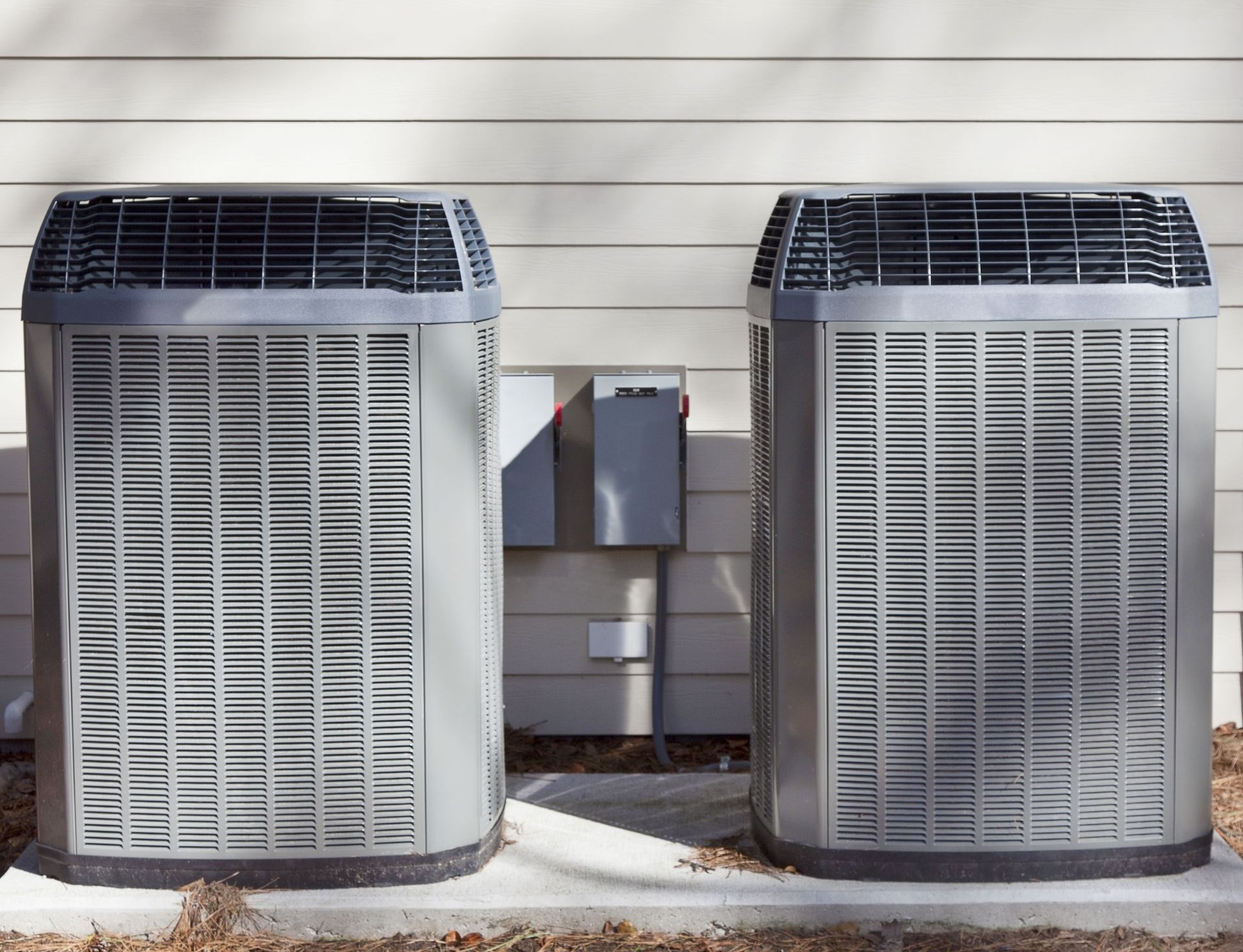
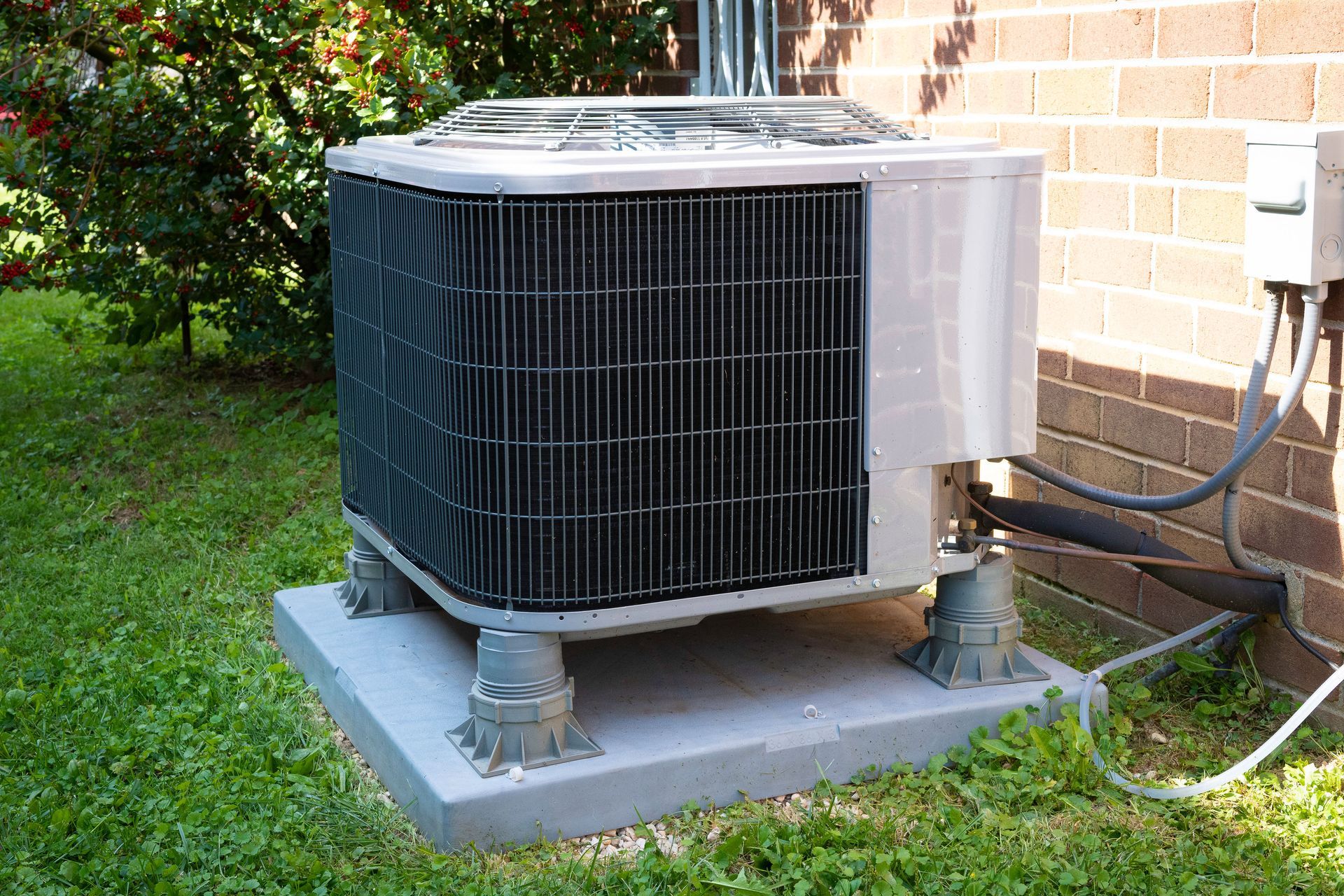
Commercial HVAC systems regulate temperature, humidity, and air quality in large indoor spaces, including offices, schools, hospitals, and shopping centers. These systems contain several interconnected components, including heating equipment, ventilation mechanisms, air conditioning units, thermostats, and ductwork. Each component contributes to maintaining comfortable indoor conditions while supporting proper airflow throughout the building.
Unlike residential equipment, commercial systems must accommodate larger spaces, higher occupancy levels, and more demanding operational requirements. They frequently incorporate advanced components such as air handlers, chillers, compressors, and automated controls. Modern technology also allows building managers to monitor performance remotely and adjust settings according to occupancy patterns.
Proper system design is essential for maintaining reliable performance. Building size, layout, occupancy, and ventilation requirements influence equipment selection. Undersized equipment may struggle to maintain comfortable temperatures, while oversized systems can waste energy and create humidity problems. Experienced local HVAC companies can evaluate these factors and recommend appropriately sized equipment that supports efficient operation.
Identifying Factors That Affect Indoor Air Quality
Indoor air quality depends on several factors, including ventilation, building materials, outdoor pollution, and occupant activities. Poor ventilation allows airborne contaminants to accumulate, potentially increasing exposure to dust, allergens, volatile organic compounds (VOCs), and other pollutants. Certain construction materials, furniture, and cleaning products release chemicals that contribute to indoor air pollution.
Daily activities also influence air quality. Cooking, cleaning, printing, and operating certain equipment can introduce particles and chemical contaminants into indoor spaces. High occupancy levels may increase carbon dioxide concentrations when ventilation is insufficient. Additionally, outdoor pollutants from traffic and industrial operations can enter buildings through ventilation openings and structural gaps.
Humidity and temperature further affect indoor conditions. Excessive moisture encourages mold growth, while extremely dry air can cause discomfort. Commercial HVAC equipment helps regulate these conditions through ventilation, cooling, heating, and humidity management. Maintaining balanced indoor conditions supports occupant comfort and reduces environmental factors that contribute to poor air quality.
Understanding Commercial HVAC Filtration Systems
Air filtration is one of the most important functions of commercial HVAC equipment. Filters capture airborne particles before conditioned air circulates throughout occupied spaces. Common options include fiberglass, pleated, and electrostatic filters. Fiberglass filters primarily capture larger particles, while pleated filters generally provide improved filtration of smaller contaminants.
Filter effectiveness is commonly evaluated using the Minimum Efficiency Reporting Value (MERV) rating. Higher ratings generally indicate greater particle-capturing capabilities. High-efficiency particulate air (HEPA) filters can capture at least 99.97% of particles measuring 0.3 microns under specified testing conditions. However, filtration equipment must be compatible with the system's airflow requirements.
Dirty filters restrict airflow, increase energy consumption, and reduce equipment efficiency. According to the U.S. Department of Energy, replacing a dirty filter can lower an air conditioner's energy consumption by approximately 5% to 15%. Working with local HVAC companies helps facility managers establish appropriate filter replacement schedules and select filtration products that balance air quality with system performance.
Improving Ventilation and Fresh Air Circulation
Effective ventilation introduces outdoor air while removing or diluting indoor pollutants. This process is particularly important in commercial buildings with high occupancy levels or limited natural airflow. Proper ventilation helps maintain acceptable indoor air quality without unnecessarily increasing heating and cooling demands.
Commercial properties typically use natural ventilation, mechanical ventilation, or a combination of both. Natural ventilation relies on windows, vents, and other openings to exchange air. Mechanical ventilation uses fans, air handlers, and ductwork to deliver controlled airflow throughout the building. Mechanical systems generally provide more consistent ventilation regardless of outdoor weather conditions.
Energy recovery ventilators (ERVs) and heat recovery ventilators (HRVs) can improve ventilation efficiency by transferring energy between outgoing and incoming air streams. These technologies reduce the energy needed to condition outdoor air. Properly designed ventilation systems help businesses maintain comfortable indoor conditions while controlling operating expenses.
Managing Indoor Humidity and Temperature
Temperature and humidity control are essential components of commercial indoor air quality management. Excessive humidity can encourage mold growth, condensation, and deterioration of certain building materials. Conversely, insufficient humidity may contribute to dry indoor conditions and occupant discomfort.
Commercial HVAC systems regulate moisture through cooling processes, dedicated dehumidification equipment, and appropriately designed ventilation. Some facilities also require humidification systems to maintain suitable conditions during colder months. Proper equipment operation helps prevent moisture accumulation in occupied spaces and mechanical components.
Building managers should regularly monitor humidity levels, investigate persistent condensation, and address water leaks promptly. Local HVAC companies can inspect cooling coils, drainage components, and humidity controls to identify conditions that interfere with moisture management. Maintaining appropriate temperature and humidity settings supports occupant comfort and protects building infrastructure.
Maintaining HVAC Equipment for Better Air Quality
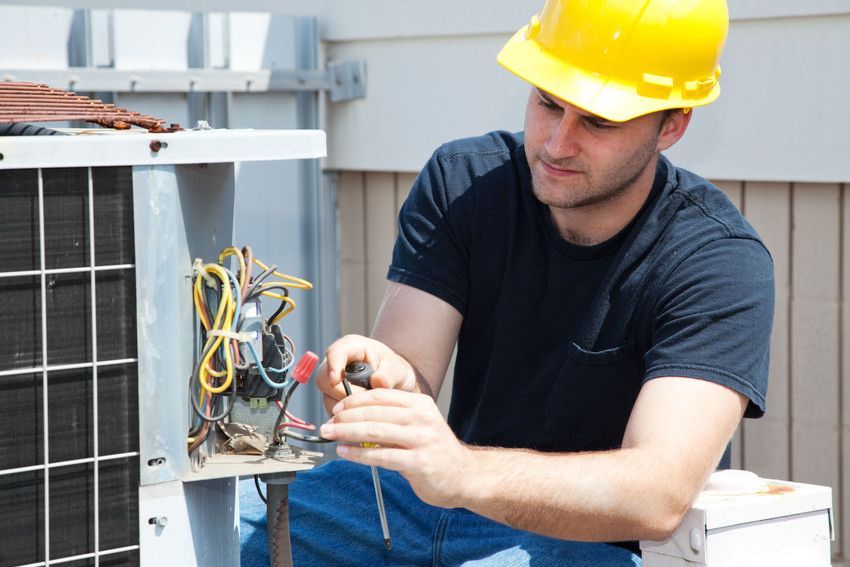
Preventive maintenance helps commercial HVAC systems operate efficiently while supporting consistent indoor air quality. Routine inspections allow technicians to identify developing problems before they cause significant disruptions. Common maintenance activities include replacing filters, inspecting ductwork, cleaning coils, checking drainage systems, and evaluating ventilation controls.
Dust, moisture, and debris can accumulate inside HVAC components over time. Dirty cooling coils may reduce heat transfer efficiency, while blocked condensate drains can contribute to moisture problems. Damaged ductwork may also allow unwanted contaminants to enter the air distribution system.
Maintenance schedules should reflect equipment type, operating hours, building conditions, and manufacturer recommendations. Facilities with demanding ventilation requirements may need more frequent inspections. Partnering with local HVAC companies provides access to technicians who can evaluate equipment performance, recommend corrective measures, and help minimize unexpected breakdowns.
Using Smart Technology to Monitor Indoor Air Quality
Modern commercial HVAC systems increasingly incorporate sensors, automated controls, and connected monitoring technologies. These features allow facility managers to track temperature, humidity, carbon dioxide concentrations, and certain airborne pollutants. Continuous monitoring can reveal developing ventilation problems and help operators respond more effectively.
Building automation systems can adjust equipment operation according to occupancy levels and environmental conditions. Demand-controlled ventilation, for example, uses occupancy-related measurements to adjust outdoor airflow while maintaining applicable ventilation requirements. This approach can reduce unnecessary energy consumption during periods of lower building occupancy.
Remote monitoring also allows maintenance personnel to identify unusual operating patterns and receive alerts about equipment problems. Data collected over time can help facility managers evaluate system performance, improve maintenance planning, and make informed decisions about equipment upgrades.
Exploring Advanced HVAC Technologies
Technological advancements continue to improve commercial HVAC performance and indoor air quality management. Enhanced filtration systems, ultraviolet germicidal irradiation, and improved ventilation controls offer additional methods for addressing airborne contaminants. Properly designed ultraviolet systems can help inactivate certain microorganisms, although effectiveness depends on installation, exposure conditions, and maintenance.
Variable refrigerant flow (VRF) systems provide precise temperature control across different building zones. These systems can improve comfort and energy efficiency by adjusting heating and cooling output according to demand. However, appropriate ventilation equipment remains necessary because temperature control alone does not guarantee adequate fresh air exchange.
Commercial HVAC systems contribute significantly to indoor air quality by regulating environmental conditions and supporting consistent air circulation. As technology advances, businesses have additional opportunities to improve efficiency, monitoring, and occupant comfort. Establishing a long-term maintenance relationship with local HVAC companies can help property owners protect their equipment investments while supporting cleaner, healthier, and more comfortable commercial spaces. Contact our team at Jones Heating and Air today and learn more about our HVAC services.