July 30, 2026
When the scorching heat of summer arrives, maintaining a cool indoor environment becomes a top priority for every homeowner. A fully functional air conditioning system is absolutely essential for surviving the peak of the season, but keeping this machinery running smoothly requires consistent attention. Routine maintenance and thorough inspections conducted by trained professionals are the absolute best way to prevent unexpected breakdowns and ensure your cooling unit operates at peak efficiency. The reality is that a comprehensive inspection goes far beyond simply turning the unit on and feeling for cold air. Technicians meticulously evaluate numerous internal components to identify potential issues before they escalate and necessitate a costly AC repair. By understanding the specific elements that technicians prioritize during a routine visit, you can better appreciate the immense value of professional maintenance and the profound peace of mind it provides throughout the hottest months of the year.
Assessing the Electrical Components
A critical starting point in any thorough air conditioning inspection involves a detailed evaluation of the various electrical components that power the system. The electrical framework functions essentially as the nervous system of your cooling unit, and minor faults within this area can lead to significant malfunctions or dangerous safety hazards. Technicians begin their work by closely examining the wiring and connections to guarantee there are no visible signs of wear, fraying, or damage caused by environmental factors. Secure and properly insulated connections are necessary to prevent short circuits and power failures. Additionally, professionals will carefully test the capacitors and contactors. Capacitors store the electrical energy required to kickstart the heavy motors, while contactors act as the main switches that supply power to the compressor and exhaust fans. If these parts are degrading, they can cause the entire system to work harder than necessary, eventually leading to a complete mechanical breakdown. Ensuring these vital electrical elements remain in optimal condition helps homeowners avoid the need for an emergency AC repair down the line.
Measuring the Refrigerant Levels
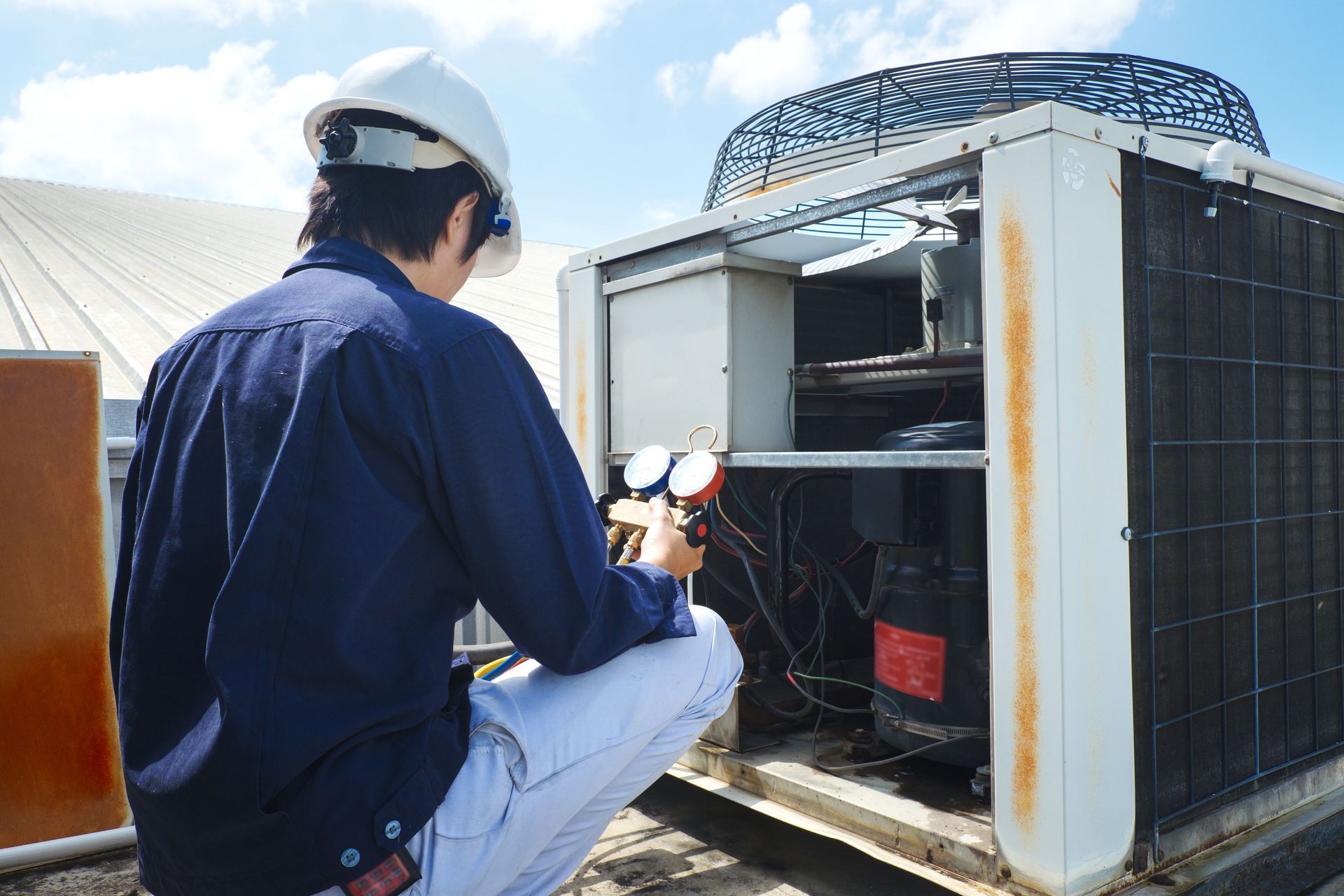
Another fundamental aspect of a professional inspection is accurately measuring the refrigerant levels circulating within the closed system. Refrigerant acts as the lifeblood of any air conditioning unit; it is the chemical substance responsible for absorbing heat from the indoor air and safely releasing it outside your home. If the system is undercharged, there is not enough refrigerant to effectively cool the indoor space, which forces the unit to run continuously and drastically drives up monthly energy costs. Conversely, an overcharged system can cause severe damage to the delicate compressor. Technicians utilize specialized gauges to measure the precise amount of refrigerant in the system and ensure it matches the original manufacturer specifications perfectly. If the levels appear low, it typically indicates a hidden leak somewhere in the copper lines or metallic coils. Finding and permanently sealing these leaks is paramount, as simply adding more refrigerant without addressing the structural issue will only result in persistent future problems. Addressing refrigerant leaks promptly is one reason homeowners find themselves needing a professional AC repair during the peak cooling season.
Inspecting the Airflow Systems
Consistent and unobstructed airflow is entirely essential for the efficient operation of any residential cooling system. During a comprehensive inspection, professionals dedicate significant time to evaluating the airflow dynamics and checking the current condition of the installed air filters. Dirty or severely clogged filters drastically restrict the amount of air that can pass through the mechanical system, forcing the main blower motor to work exponentially harder to circulate conditioned air throughout the home. This diminishes the overall comfort of the living space and greatly accelerates wear and tear on all mechanical components involved. Technicians will thoroughly check the filter and recommend a replacement schedule based entirely on the specific environmental needs of the household. Beyond the physical filter, they will also inspect the hidden ductwork and ceiling vents for blockages, hidden leaks, or loose disconnections that might be impeding the smooth delivery of cold air. Proper airflow management is essential for maintaining excellent indoor air quality and extending the lifespan of the equipment. Neglecting this crucial aspect of maintenance is a surefire way to end up scheduling an unexpected AC repair.
Examining the Mechanical Parts
The heavy mechanical components of an air conditioning unit endure significant physical stress and constant friction during normal operation, making them prime candidates for eventual wear and rapid degradation. Technicians conduct a physical assessment of the outdoor compressor, the indoor blower motor, and the metallic fan blades to ensure everything is functioning smoothly. The main compressor is considered the beating heart of the system, and unusual rattling noises, intense vibrations, or operational struggles can signal an impending disastrous failure. Professionals carefully check the fan motor and rotating blades for proper balance and ensure there is no natural debris obstructing their rapid movement. They also inspect the rubber belts for signs of cracking and generously lubricate moving parts to reduce damaging friction. This meticulous attention prevents minor issues from escalating into major failures. According to WorkYard, 86% of homeowners have limited understanding of HVAC system components. This lack of familiarity highlights precisely why it is so important to have trained technicians handle the mechanical evaluation. Without a professional eye, subtle signs of mechanical distress can go unnoticed until they result in a massive AC repair.
Verifying the Overall Efficiency
The later stages of a comprehensive inspection involve verifying the overall operational efficiency and total performance of the system. Technicians want to ensure the unit is not just producing cold air, but doing so in a manner that optimizes energy consumption and maintains consistent comfort levels. This process involves checking the digital thermostat calibration to guarantee it is accurately reading the indoor ambient temperature and communicating effectively with the main outdoor unit. An improperly calibrated thermostat can cause the system to cycle on and off too frequently, which wastes energy and places unnecessary strain on internal equipment. Professionals will also observe the full cooling cycle from start to finish to ensure the system starts up smoothly, runs quietly, and shuts down properly. They look closely for any operational irregularities in the cycle that might suggest hidden underlying inefficiencies. By fine-tuning these aspects, technicians help property owners minimize monthly utility bills. Addressing these efficiency concerns proactively is the best way to prevent the need for an AC repair in the future.
Cleaning the Essential Coils
Beyond standard electrical and mechanical assessments, a thorough inspection also includes a visual examination and potential cleaning of the condenser and evaporator coils. The indoor evaporator coil is directly responsible for absorbing the heat and humidity from the indoor air. Over time, this specific coil can easily accumulate a thick layer of dust and grime, especially if air filters are not changed regularly by the homeowner. This thick buildup acts as an unwanted insulator, significantly reducing the coil's natural ability to absorb heat. Similarly, the outdoor condenser coil, which releases the absorbed heat into the outside environment, is constantly exposed to the harsh elements and can quickly become coated in sticky dirt, fallen leaves, and yard debris. When either of these crucial coils is compromised, the entire system must work longer and considerably harder to achieve the desired indoor temperature. Technicians carefully inspect these coils and strongly recommend professional cleaning if deemed necessary. Keeping these vital heat exchange components clean and unobstructed is a critical step in avoiding an extensive AC repair and ensuring the long-term viability of your cooling equipment.
Maintaining a reliable and efficient cooling system requires more than just changing the air filter every few months. It demands the trained eye of a professional who knows how to evaluate every intricate component for potential hidden issues. Regular inspections provide invaluable peace of mind and protect your financial investment by catching small problems before they escalate into major disruptions. If you want to ensure your home remains comfortable and cool all summer long, do not hesitate to schedule your routine maintenance. Call Jones Heating and Air today to learn more and secure your preferred appointment time.