June 3, 2026
When the summer heat reaches its peak, a functioning air conditioning system is more than just a luxury; it is a necessity for health and comfort. For many homeowners, the internal workings of an HVAC unit are a mystery, comprised of complex electrical circuits, chemical refrigerants, and high-velocity fans. When a system fails, the expertise of a professional technician becomes invaluable. These specialists do not simply guess at what is wrong; they follow a systematic approach to identify inefficiencies and restore cooling power. According to Scottmax, nearly 90% of U.S. households now utilize air conditioning as of 2025, a notable increase from the 85% reported in 2020. This growing reliance on climate control underscores the importance of understanding how these systems are maintained.
In this article, you will learn about the sophisticated diagnostic steps and repair techniques used by local experts to keep modern AC units running efficiently.
Assessing the Thermostat and Control Calibration
The diagnostic process almost always begins at the thermostat, the "brain" of the cooling system. Local experts frequently find that what appears to be a mechanical failure is actually a communication error between the thermostat and the air handler. A technician will check for power issues, outdated firmware in smart thermostats, or simple calibration errors where the sensor reads the room temperature incorrectly. If the thermostat is not level or is placed in direct sunlight, it may cause the system to short-cycle or fail to turn on at all. By ensuring the control interface is sending the correct signals, experts can avoid unnecessary mechanical AC repairs and focus on the true source of the problem.
Inspecting Air Filters and Airflow Restrictions
One of the most common reasons for a system breakdown is restricted airflow, which usually stems from a neglected air filter. When a filter is clogged with dust, pet dander, and debris, the blower motor must work significantly harder to pull air through the return. This strain can lead to overheating and eventually a total motor failure. Professionals inspect the filter first, but they also look deeper into the ductwork. They check for collapsed ducts or blocked registers that might be "choking" the system. Proper airflow is essential for the heat exchange process; without it, the entire cooling cycle collapses.
Testing the Capacitor and Electrical Components
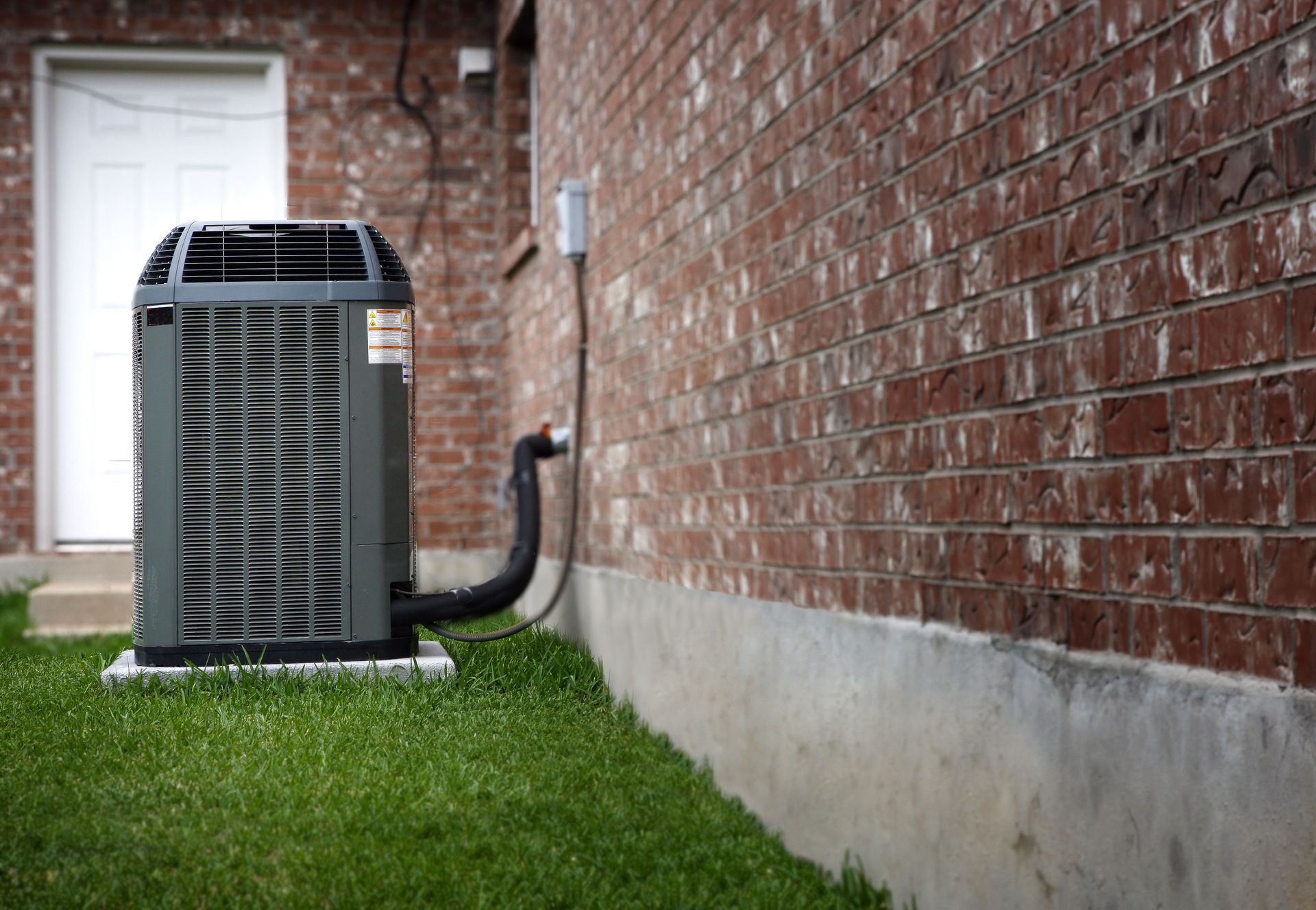
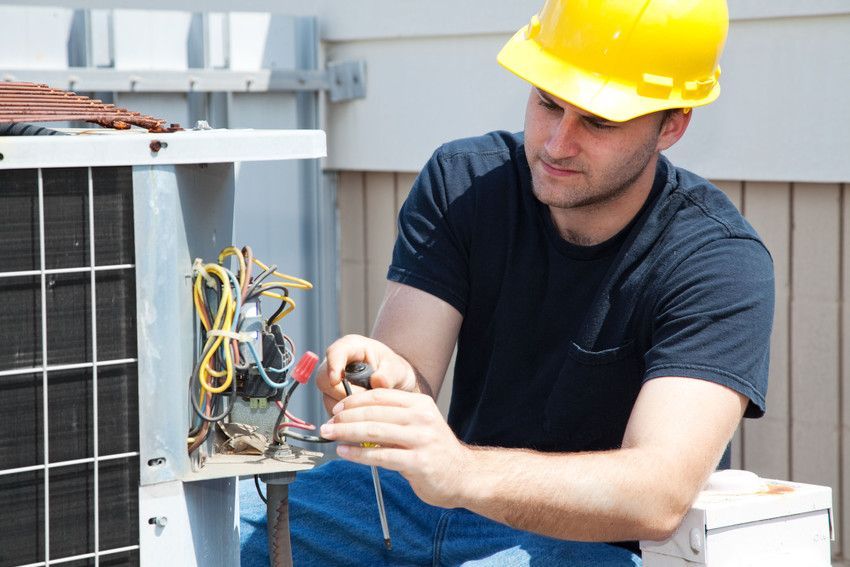
Inside the outdoor condensing unit, there are several electrical components that are prone to wear and tear. The most common culprit is the capacitor, a small cylindrical device that stores energy to give the motors a "kick-start" when they turn on. During AC repairs, technicians use a multimeter to measure the capacitance. If the reading is outside the manufacturer's specified range, the capacitor is replaced before it can cause the compressor to overheat. Experts also inspect contactors for "pitting" or "welding," which occurs when electrical arcing causes the metal points to stick together, potentially keeping the unit running indefinitely or preventing it from starting.
Evaluating Refrigerant Levels and Pressure Settings
Refrigerant is the lifeblood of an air conditioner, and its levels must be precise for the system to function. A common misconception is that refrigerant is "used up" like gasoline; in reality, an AC system is a closed loop. If the refrigerant is low, there is a leak. Local experts use manifold gauges to check the high-side and low-side pressures of the system. If the pressure is low, they use electronic leak detectors or ultraviolet dye to find the breach in the copper lines or the evaporator coil. Fixing the leak is a critical part of professional AC repairs, as simply "topping off" the system is a temporary fix that can lead to environmental damage and further mechanical issues.
Cleaning the Evaporator and Condenser Coils
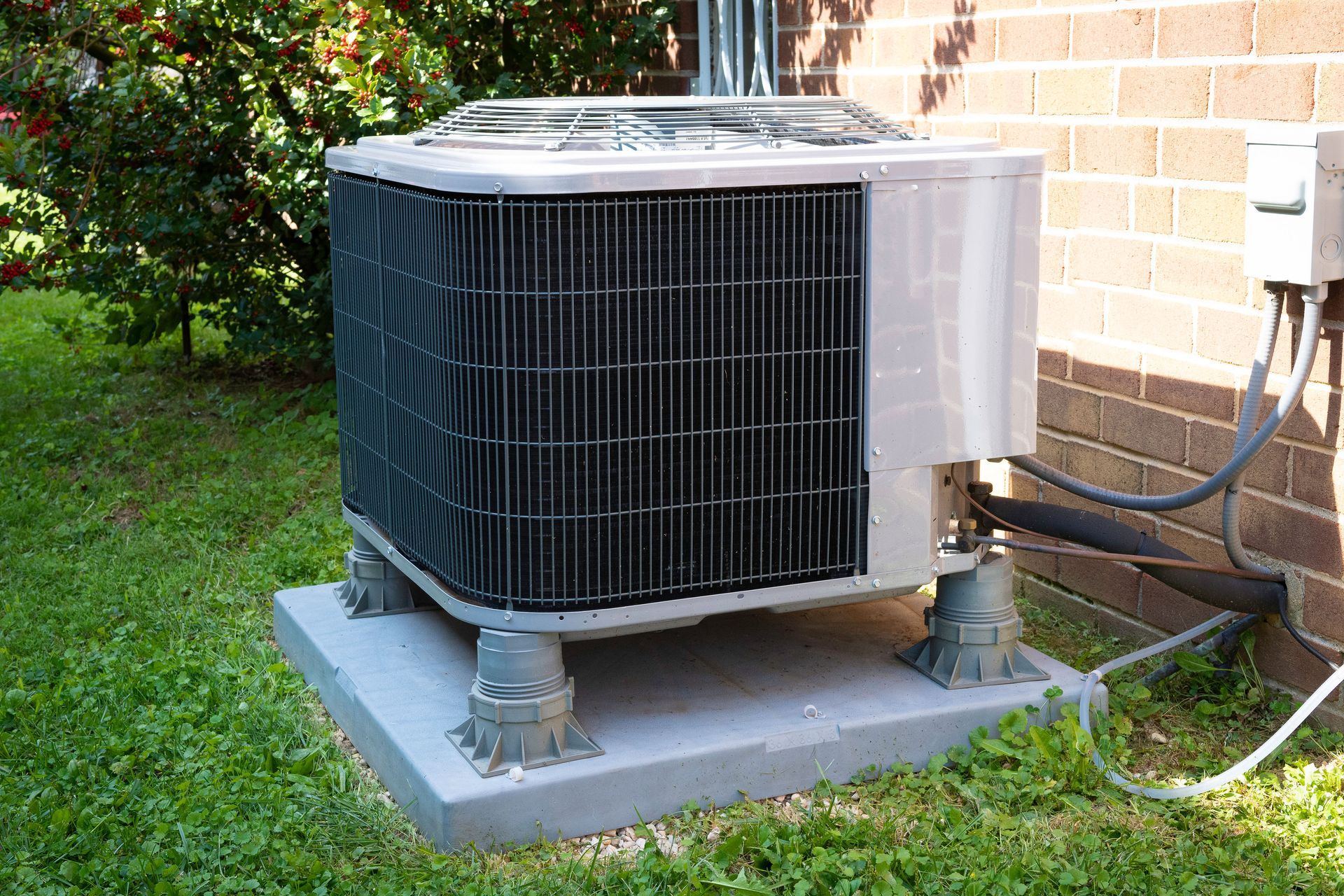
Heat transfer is the fundamental job of an air conditioner, and this happens at the coils. The indoor evaporator coil absorbs heat from the home's air, while the outdoor condenser coil releases that heat into the environment. Over time, these coils become coated in dirt, grime, or lawn debris. Technicians use specialized foaming cleaners and soft brushes to remove this buildup. If the coils are dirty, the refrigerant cannot effectively change states from liquid to gas and back again. This causes the compressor to work at higher temperatures, which shortens its lifespan and drastically increases the homeowner's electricity bill.
Clearing the Condensate Drain Line
As an air conditioner cools the air, it also removes humidity. This moisture collects on the evaporator coil and drips into a primary drain pan, where it should flow outside through a PVC pipe. However, algae, mold, and dust often create a sludge that clogs this line. When a clog occurs, water can back up into the home, causing significant water damage to ceilings or floors. Diagnostic experts check the "float switch," a safety device that shuts the system down if it detects standing water. To fix this, they use high-pressure air or a vacuum to clear the blockage and may treat the line with antimicrobial tablets to prevent future growth.
Analyzing Compressor Performance and Health
The compressor is the most expensive and vital part of the AC unit. When a system isn't cooling, experts listen for specific sounds that indicate a compressor is struggling to start or is nearing the end of its life. They perform a "megohmmeter" test to check the integrity of the motor windings inside the compressor. If the compressor has failed, the technician must determine if it was a mechanical failure or an electrical "burnout." In the case of a burnout, the refrigerant becomes acidic, requiring a thorough system flush and the installation of acid-catching filters during the AC repairs process to protect the new components.
Balancing the Blower Motor and Fan Blades
The moving parts of an HVAC system are subject to physical stress and vibration. The indoor blower motor and the outdoor condenser fan must spin at high speeds to move air effectively. Technicians inspect these motors for worn bearings or "play" in the shaft. They also look for bent fan blades, which can cause the unit to vibrate excessively, leading to cracked refrigerant lines or loosened electrical connections. Lubricating older motors or replacing the fan belt in vintage systems are routine tasks that prevent catastrophic failures. Ensuring these parts are balanced and spinning freely is a hallmark of a thorough diagnostic visit.
Verifying Duct Integrity and Sealing
Sometimes the problem isn't with the machine itself, but with the delivery system. Local experts often perform a visual inspection of the attic or crawlspace to look for disconnected or torn ductwork. If a duct has a large hole, the system may be cooling the attic rather than the living room. Technicians look for "hot spots" in the home using thermal imaging cameras to identify where cool air might be escaping. Sealing these leaks with mastic sealant or foil tape is a vital part of comprehensive AC repairs, ensuring that every cubic foot of air paid for by the homeowner actually reaches its destination.
Navigating the complexities of modern air conditioning requires a blend of mechanical skill, electrical knowledge, and diagnostic precision. From the initial thermostat check to the final pressure calibration, every step a local expert takes is designed to maximize comfort and minimize energy costs. As more Americans rely on these systems than ever before, the value of professional maintenance and timely AC repairs cannot be overstated. By addressing small issues like dirty coils or failing capacitors today, you can avoid the high cost and discomfort of a total system failure tomorrow.
Don't wait for your system to fail in the middle of a heatwave. Contact Jones Heating & Air today to schedule a comprehensive diagnostic tune-up and keep your home cool all summer long.